Venice Film Festival 2026 – K-Punk Guide by Simone Bozzelli
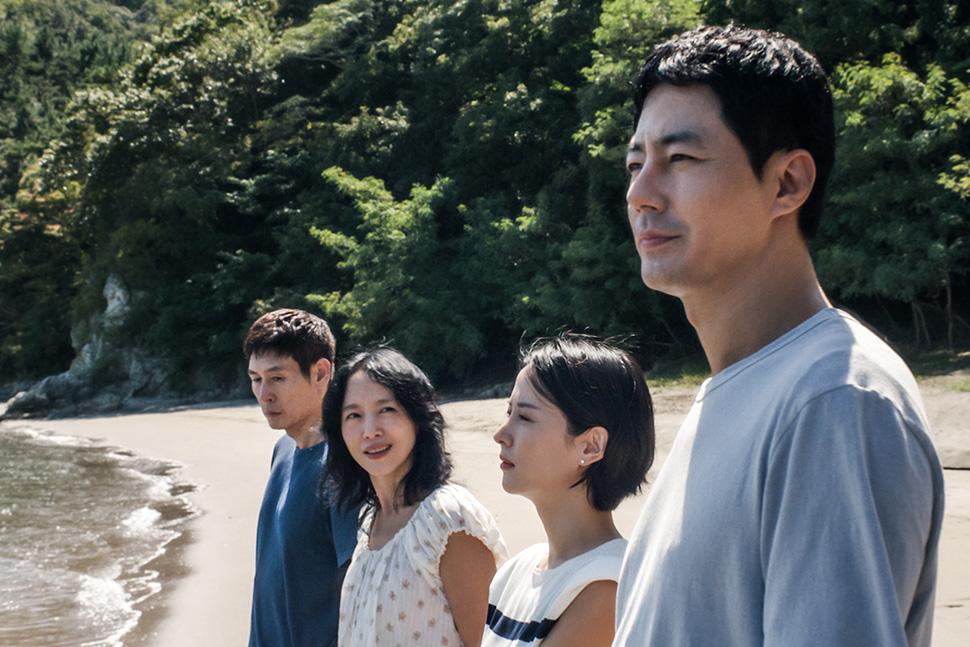
Ga-neung-han sa-rang (Possible love) – In Competition
Director: Lee Chang-dong
Lee Chang-dong is an absolute giant of world cinema, a master capable of probing the repressed underside of contemporary society with unmatched moral depth and invisible tension. In his new film, a meeting arranged to make a documentary brings together the fates of two married couples – a laid-off factory worker and his wife, and a documentary filmmaker and her husband – triggering a silent friction between classes, lifestyles, and repressed desires. When their respective loneliness collides, every certainty begins to crack, letting hidden frustrations and fragilities surface.
Kvinde Ukendt (Woman Unknown) – In Competition
Director: May el-Toukhy
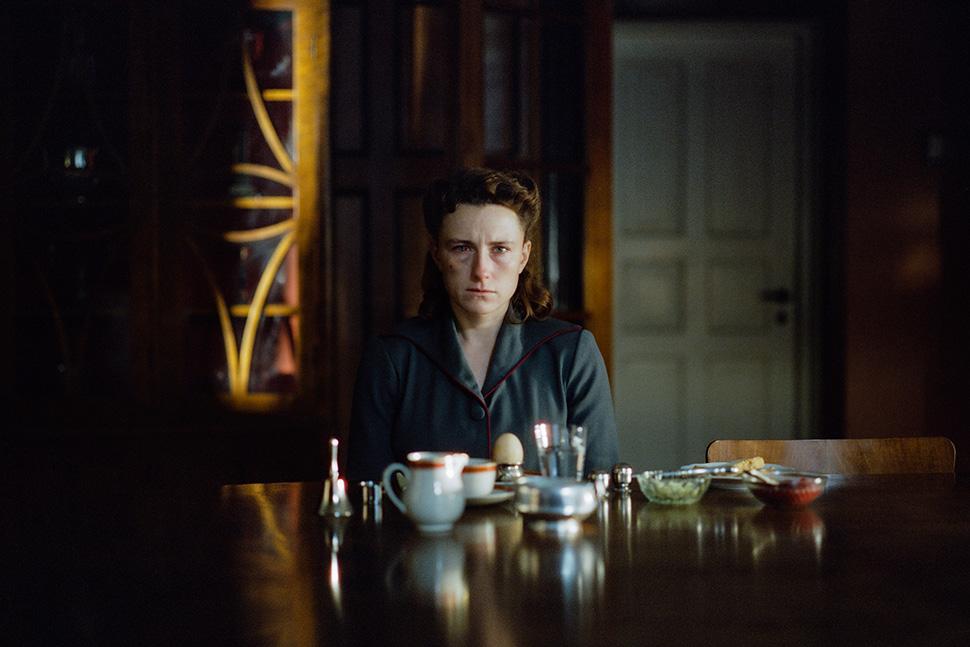
After Queen of Hearts, May el-Toukhy returns to dissect bourgeois hypocrisies and their infected flesh. In Woman Unknown, the housekeeper Marie is about to marry the wealthy widower Christian, but her rise is threatened by a clandestine guilt: her love affair with a German soldier during the war. Amid the chaos of the postwar period, Marie will fight fiercely to defend the rank she has just won; worth watching for the surgical precision with which el-Toukhy shows how little room there is for absolution once survival comes into play.
DAU – In Competition
Director: Ilya Khrzhanovsky
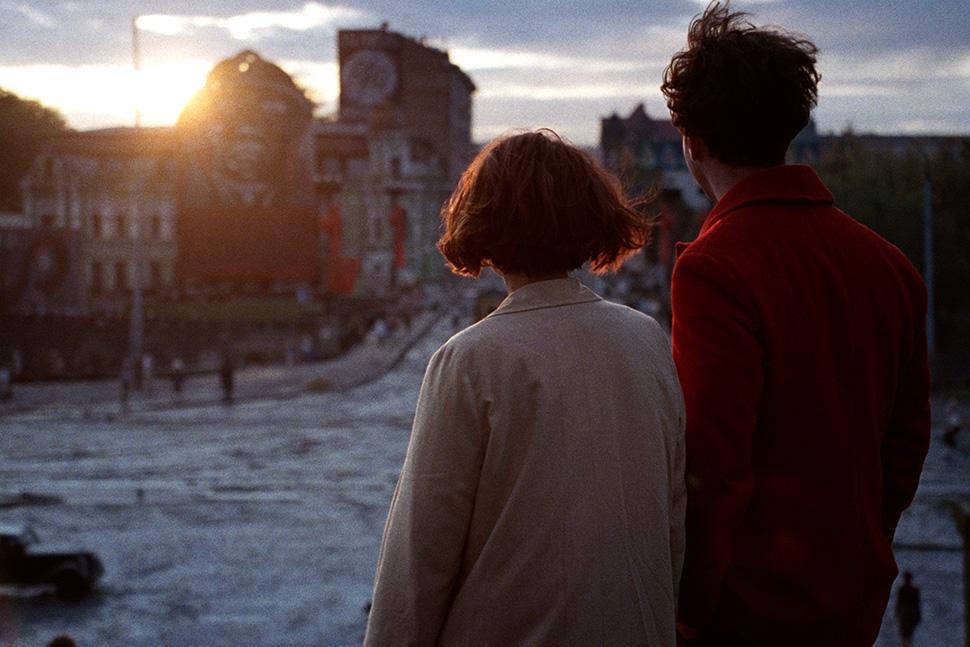
With the colossal and disturbing experiment of DAU, Ilya Khrzhanovsky pulverized every boundary between staging and reality, turning the set into a self-sufficient totalitarianism and cinema into a ruthless anthropological vivisection. In his new work, from which no plot detail has been deliberately allowed to leak, the director once again interrogates the dark mechanisms of power and the moral degradation of human beings without any reassuring mediation. What we face is a claustrophobic, radical total cinematic world that grants the viewer no respite and rejects traditional narrative conventions; worth watching to immerse yourself in an extreme visual and ethical experience, capable of showing violence and domination in their most naked and unsettling form.
REVOLVER – SIC
Director: Paoli De Luca
A hugely anticipated return to the SIC, after Marina, by Paoli De Luca, who is among the very few young voices in our cinema capable of steering clear of recycled formulas and derivative mannerisms. Worth watching for the physical, unrhetorical power with which De Luca will surely turn flesh and night into pure political matter.
The Color of the Sun – ORIZZONTI
Director: Xavier Tera
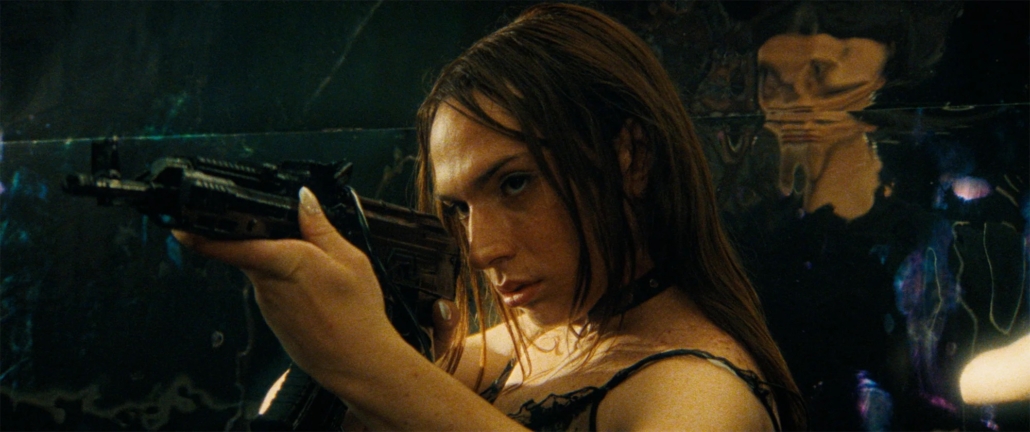
The Color of the Sun is the captivating debut feature of Xavier Tera, a director who arrives at feature filmmaking after a refined career in advertising and music videos, armed with a hypnotic, hyper-sensorial visual aesthetic. What strikes you from the very first frame is the compositional power of the shots, aided by the cinematography of Sayombhu Mukdeeprom. Set during a suspended summer in Okinawa, the film follows a group of local teenagers grappling with an uncertain future, whose fragile equilibrium is shaken by an encounter with a peer from the nearby American military base.
London – SIC
Directors: Victor Di Marco, Márcio Picoli
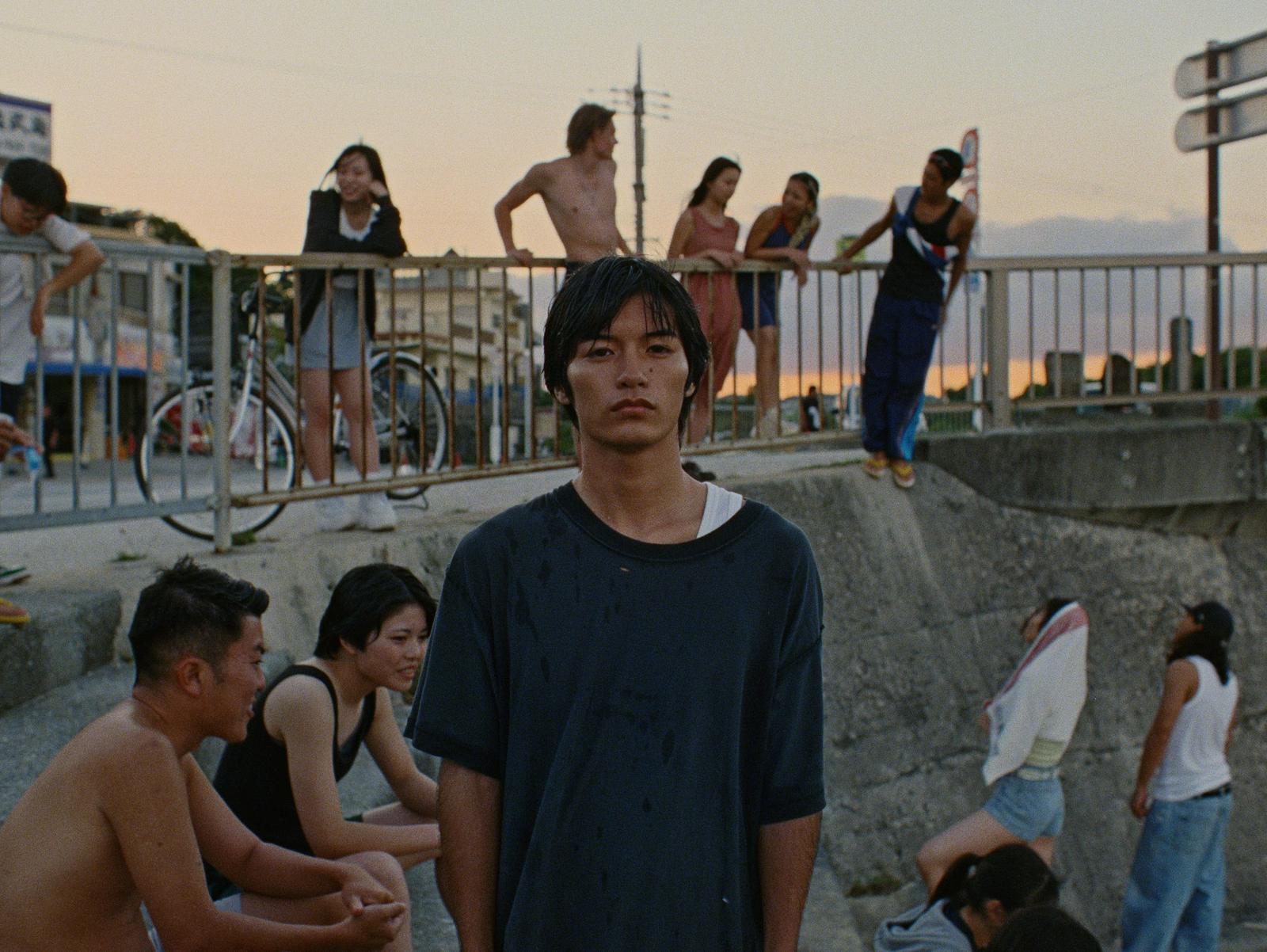
Like all SIC titles, this one belongs on your list for its bold, unconventional premise. In London, the protagonist is a young man with a disability who has built his existence on radical independence, working as a dominant in a fetish house alongside his friends Luke and Lilá. The possibility of undergoing a specialist medical examination to fully understand his own body, however, opens up an unforeseen dilemma: the need for answers clashes with the fear that a clinical diagnosis might end up labeling him, threatening the identity he has fought so hard to build.

15/18 (A Place To Heal) – In Competition
Director: Cédric Kahn
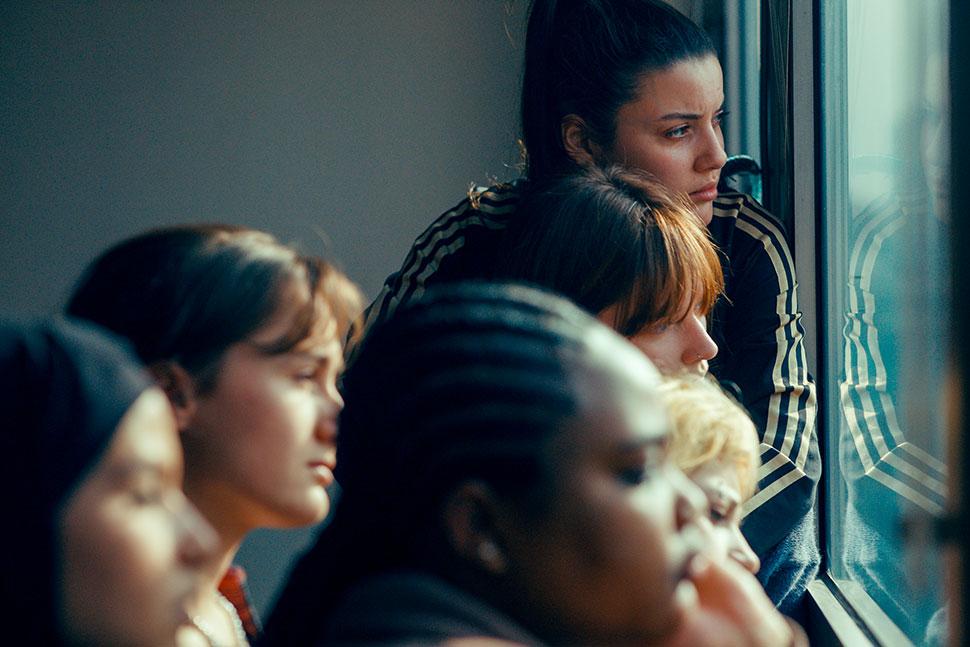
From murky psychological dramas like La noia and I sentimenti, through the feverish obsession of Luci nella notte, to the rigorous precision of recent titles like La preghiera and the masterful legal drama Il caso Goldman, Cédric Kahn has built a cinema stripped of ornament, grounded in an almost clinical observation of human beings and their inability to grasp or contain the other. In this new film, seventeen-year-old Lucia is escorted by police into a child neuropsychiatric ward she knows all too well; there she finds her friend Eloïse again, along with a mixed group of teenagers (Yasmine, Camilia, Ulysse, André), each marked by their own personal drama. Amid the care of medical staff and the strain of a service on the verge of collapse, the group’s precarious balance is shaken by the arrival of the mysterious Enzo. A title to circle in red for the consistency with which Kahn continues his investigation into the cracks within institutions and the frictions of community life, promising a taut, spare confrontation with adolescent distress, free of any consoling shortcuts.
Serpenti – SPOTLIGHT
Director: Roberto De Paolis Maino
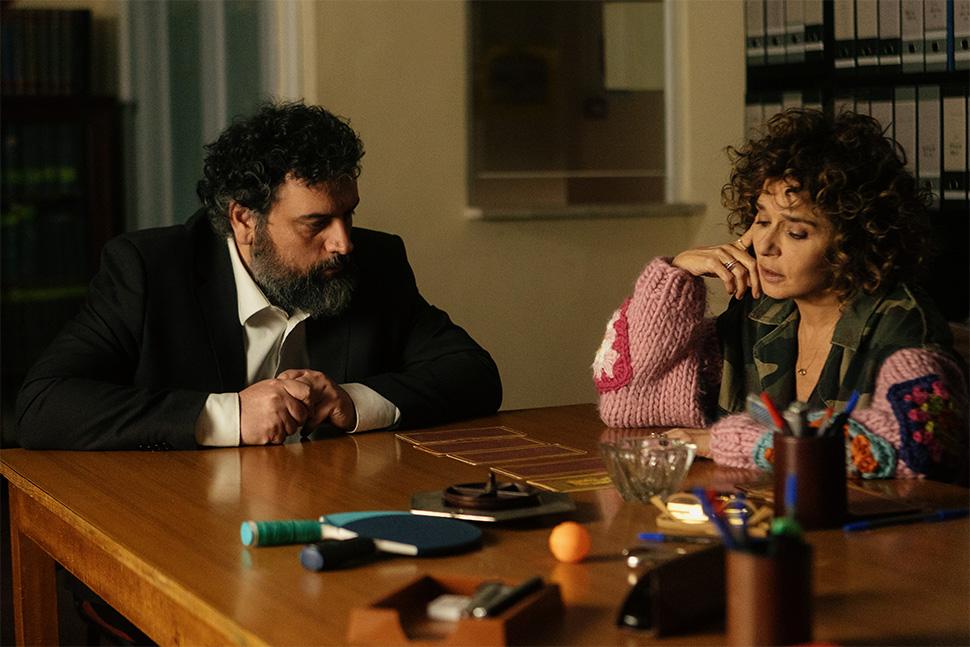
Written by the D’Innocenzo brothers together with director Roberto De Paolis, Serpenti brings a ferociously moral paradox to the screen: Paolo Marra (Leonardo Lidi) kills his wife for no reason and decides to turn himself in, but his confession runs aground against a Kafkaesque wall of distracted police officers, maddening bureaucracy, and overzealous lawyers who refuse to take him seriously. Backed by a formidable cast (including Alessandro Borghi, Pietro Castellitto, and Valeria Golino), the film turns guilt into a satirical, grotesque nightmare.
Col cuore in gola – VENEZIA CLASSICI
Director: Tinto brass
Worth rediscovering to reclaim the most radical, anarchic, and inventive side of Brass, a thoroughly modern master whose formal freedom and visual experimentalism our cinema has shamefully suppressed. Immersed in Swinging London amid Pop Art, syncopated editing, and the memorable comic-strip storyboards by Guido Crepax, the film follows actor Jean-Louis Trintignant, swept along by a mysterious, very young Ewa Aulin into a paranoid whirlwind of murders, escapes, and deceptions. More than a simple giallo, it’s an aesthetic detonator of pure Po Valley Nouvelle Vague that shatters the conventions of the genre.

Tijuana, todavía – BIENNALE COLLEGE
Director: Gabriel Gutierrez Morales
In Biennale College we find first and second works by emerging filmmakers, developed and produced within a year on a micro-budget guaranteed by the Biennale (up to 200k). This one strikes me as a title to note down for a plot that promises to weave together geopolitical current events and intimate vulnerability: in Playas de Tijuana, a young queer man fleeing Russia to avoid conscription into the war in Ukraine and a middle-aged gay man grappling with the machismo of northern Mexico meet on a dating app, shielded by digital alter egos. When the relationship moves off the screen and into real life, both are forced to reckon with the wounds and loneliness of their respective exiles.